How to help your dental implants last longer
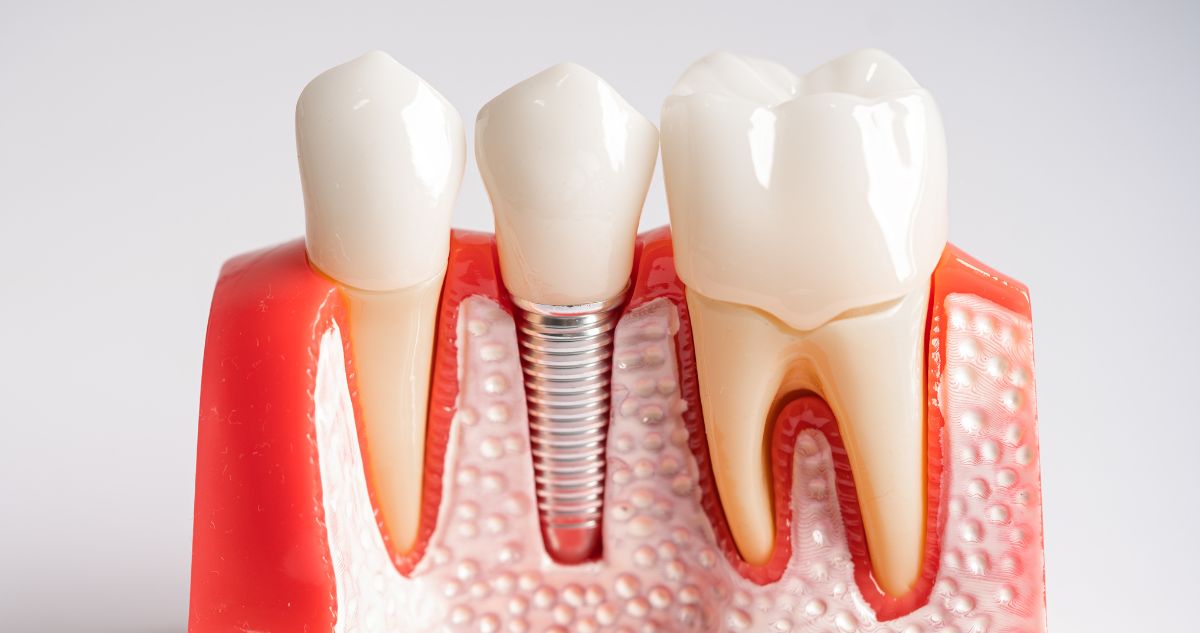
Although dental implants are made of strong materials such as titanium, they need careful maintenance. Poor oral hygiene and missed check-ups can lead to a condition called peri-implantitis. If not treated in time, it can lead to the loss of the implant.
What is peri-implantitis?
Peri-implantitis is an inflammatory condition that affects the gums and bone around a dental implant. Without timely diagnosis and treatment, the inflammation can progress and bone supporting the implant can gradually be lost. In some cases the implant is lost too.
How does peri-implantitis develop?
As food naturally breaks down, bacteria accumulate in the mouth and form plaque and tartar. These deposits collect on natural teeth and dental restorations, including less visible areas around the gum line and on implants and bridges.
Even though it is made of titanium, a dental implant is more vulnerable to bacteria than a healthy natural tooth. Bacteria gathering around the implant below the gum line irritate the gums and cause inflammation. Left untreated, the inflammation can spread deeper and become more severe. Bone around the implant recedes, leaving parts of its surface exposed.
A dental implant has a textured surface that helps bone attach to it and allows the implant to integrate with the jaw. When peri-implantitis exposes this rough surface, biofilm, tartar and bacteria can readily attach to it and may affect the implant structure over time.
What can contribute to peri-implantitis?
Bacteria cause peri-implantitis. Several contributing factors have also been identified. Some provide further sources of bacteria, while others encourage bacterial growth or weaken the body’s natural defences.
- Tartar build-up
- Untreated tooth decay
- Restorations that fit poorly at the gum line
- Inadequate or ineffective cleaning
- Smoking and consumption of sugary drinks
- Diabetes or immune disorders
- A weakened immune system
- Stress
- Insufficient sleep
What signs might suggest peri-implantitis?
If you have a dental implant, arrange a dental examination if you notice any of these signs.
- Itching or discomfort around the implant
- Gums that keep bleeding when you brush and may later bleed when you eat or without being touched
- Red or purplish-red gums
- Swelling of the gum around the implant
- Receding gums that expose part of the implant
- The crown or bridge on the implant feels loose
- Persistent bad breath
Detecting peri-implantitis early improves the chances of recovery and of keeping the implant for longer.
Approaches to treating peri-implantitis
Treatment involves removing bacterial deposits from the implant. Where appropriate, a bone graft can help rebuild bone lost to peri-implantitis, with the aim of restoring contact between the bone and the implant.
One conventional approach uses a rotary instrument to clean the implant surface and the spaces between its threads. The drawback described here is that smoothing the surface leaves it unable to bond with grafted bone, preventing the implant from integrating with the new bone. Removing material can also thin the implant and increase the risk of fracture.
At Clinica Doctor Iorgulescu, we have successfully treated peri-implantitis using a combination of galvanic current and laser technology to remove bacterial biofilm from affected dental implants and prepare the cleaned surface for bone grafting and integration with the surrounding bone.
The GalvoSurge® system introduced an approach that uses electrolysis to clean and decontaminate the affected implant. Bacterial biofilm is one of the main triggers of inflammation in the surrounding tissues. The system is designed to remove it and the attached microorganisms in one step. A controlled low voltage is applied to the metal implant while it is rinsed with an electrolyte solution. The reaction releases tiny hydrogen bubbles that lift the biofilm from the entire exposed surface, including the threads and microscopic grooves.
In our experience, this treatment has produced very good, lasting results. We have been able to retain severely affected implants that would otherwise soon have needed removal.
How can you reduce the risk of peri-implantitis?
Prevention starts before the implant is placed.
- Choose an experienced dentist who can explain which technique and implant suit your circumstances. Poor implant selection or planning can increase the risk of peri-implantitis. Ask about these choices before treatment begins.
- Follow your dentist’s advice on cleaning your teeth and implants thoroughly at home.
- Attend check-ups as often as your dentist recommends.
To book an appointment, call +40 774 678 223
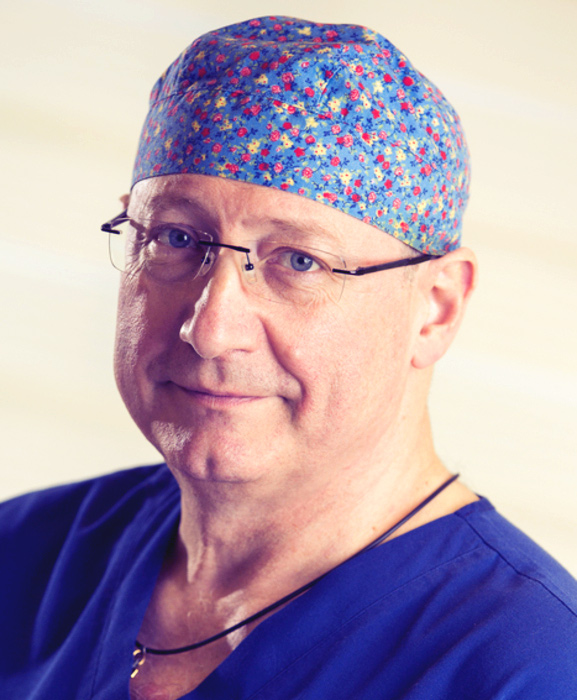
Dr Daniel Iorgulescu, PhD
Consultant Oral and Maxillofacial Surgeon · Associate Professor of Oral Implantology
Dr Iorgulescu was among the early practitioners of implant dentistry in Romania and has taught and mentored generations of dentists. He provides dental implants, other oral and maxillofacial surgery, and laser treatments in facial aesthetics.