Earache in children: what you can do and when to see a doctor
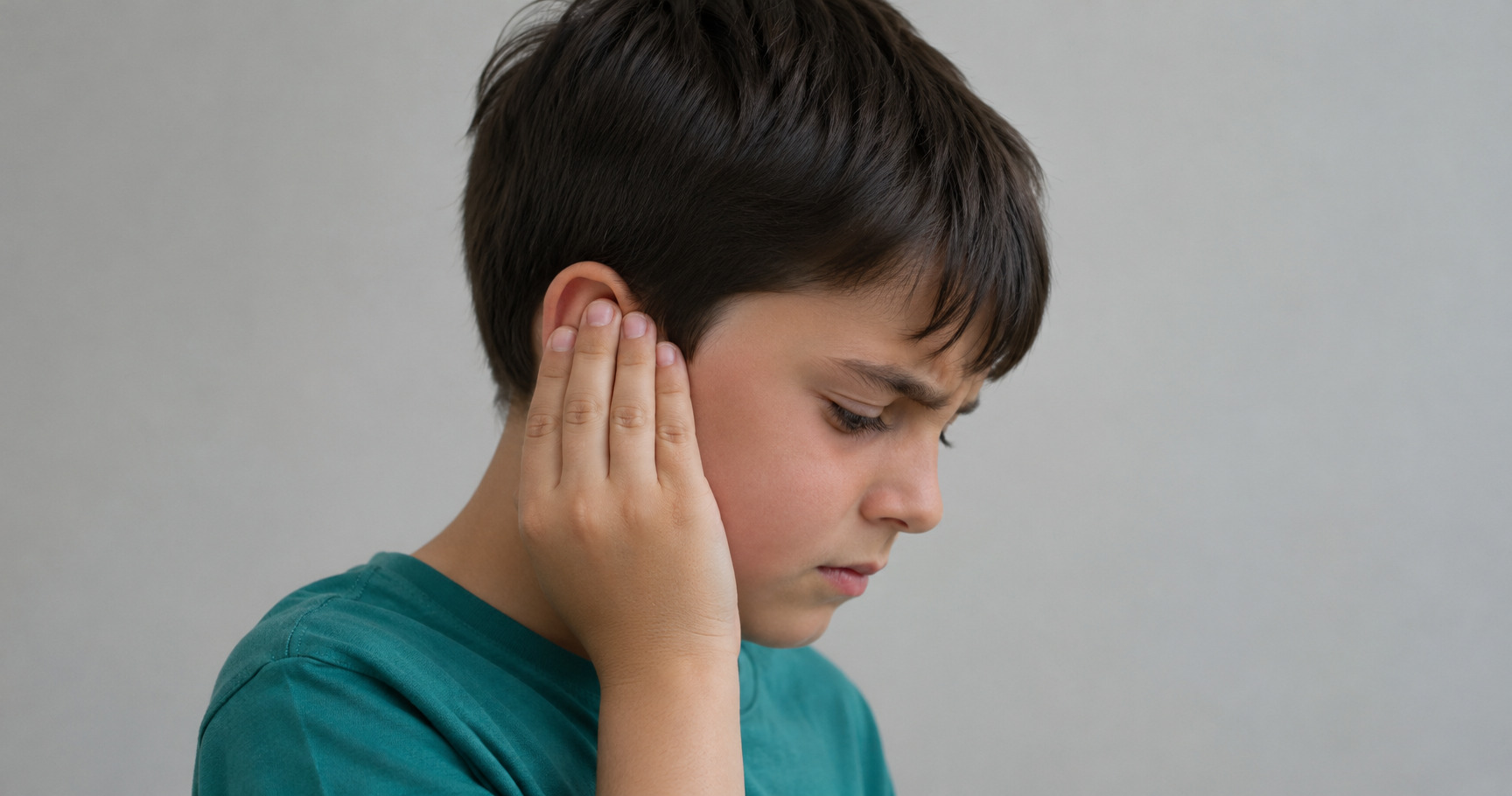
AI-generated illustration
Your child wakes up crying and says their ear hurts. Perhaps they have just had a cold, or the pain may have come out of the blue. You want to help them feel better and to know how soon they need to see a doctor.
Earache is common in children and has several possible causes. The choice of treatment depends on examining the ear and assessing how your child is in themselves.
What to do in the first few hours
Note when the pain began, their measured temperature and whether one or both ears hurt. If you have given any medicine, keep a record of its name, dose and the time you gave it.
Ask your doctor or pharmacist which pain relief suits your child’s age and health. Follow the instructions on the product and the dose recommended for your child. Never use a dose chosen for another child.
Avoid cotton buds or trying to clean deep inside the ear. Do not put oil or ear drops into the ear unless advised by a clinician.
If your child has a fever or feels too unwell for normal activities, keep them at home rather than sending them to nursery or school. Ask your doctor for advice.
When to seek medical help promptly
Arrange prompt assessment if your child seems generally unwell or has a very high fever, swelling around the ear, ear discharge or a change in hearing. The same applies to a child under two with pain in both ears, or if you suspect an object in the ear.
If your child gets worse quickly, seek help without waiting for a routine appointment. Even without these signs, ask a doctor for advice if the pain has not begun to improve within 24 hours.
Does every ear infection need an antibiotic?
No. Acute middle ear infections can involve viruses and bacteria. Many episodes improve without an antibiotic. The doctor takes account of age, severity, the examination and the risk of complications.
If the doctor advises monitoring, ask how to manage the pain and when to come back. Do not give antibiotics left over from an earlier illness. Similar symptoms can have different causes and need different care.
Once the pain has settled
Pay attention to hearing as well. If your child seems to hear less clearly after the episode, tell your doctor even if the pain has gone. Hearing difficulties sometimes persist after an infection and need assessment.
To arrange a routine appointment and find out about Dr Adelaida Iorgulescu, visit the children’s ENT page. For the warning signs described above, seek medical help promptly.
General information. Speak to your child’s doctor for an assessment and medical advice specific to them.