Myofunctional trainers and braces: what does each one do?
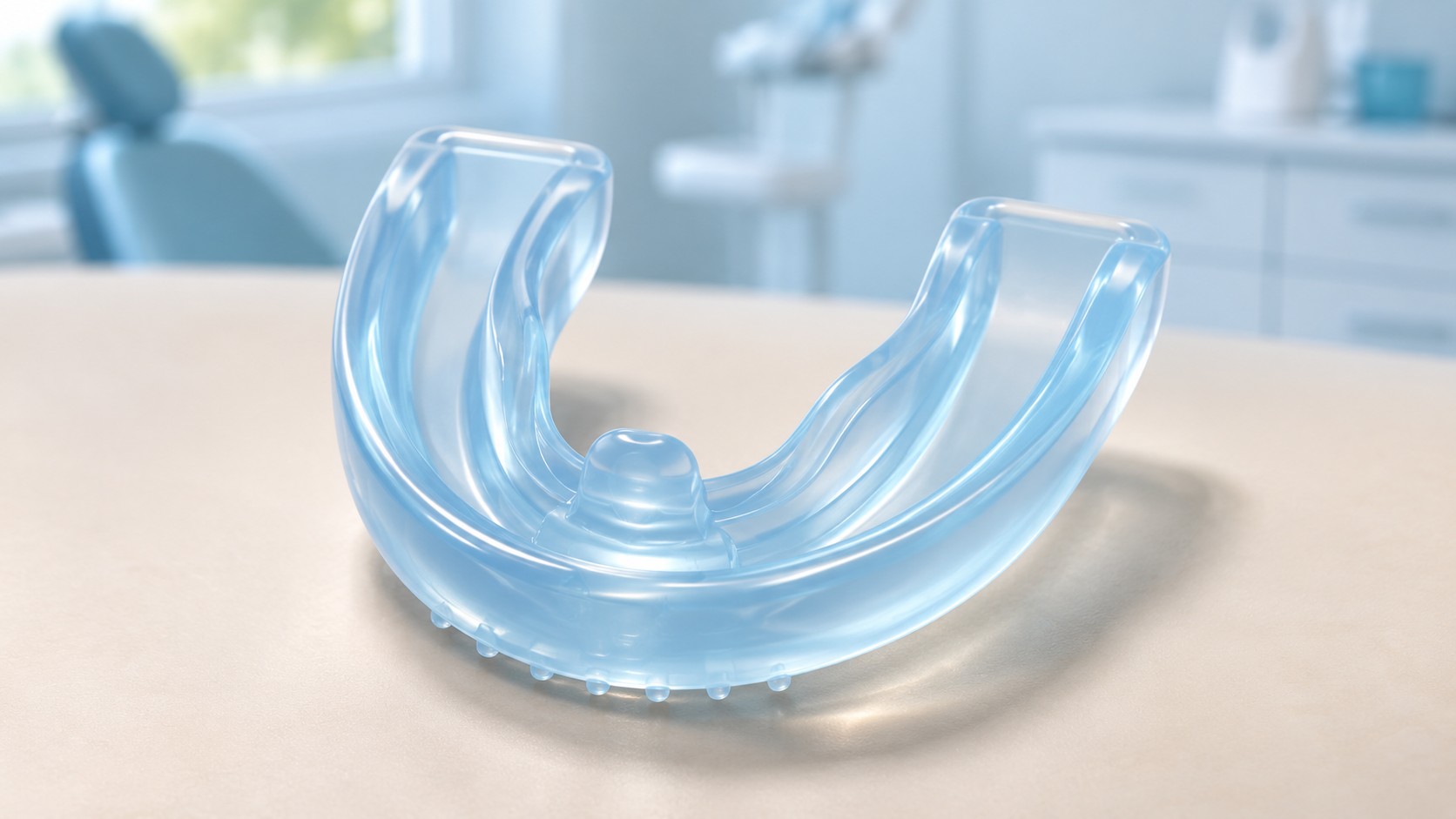
AI-generated illustration
When a myofunctional trainer is recommended for a child, parents often ask whether it is a brace, whether it replaces orthodontic treatment or whether both will be needed. This depends on why the device is proposed, the child’s dental development and the treatment goals.
What is a myofunctional trainer?
A trainer is a removable oral appliance, usually made of a flexible material, with channels for the upper and lower teeth. Trainers come in different shapes and sizes. Some have features that guide the lips or tongue. The dentist chooses one for its purpose, rather than relying on the age on the packet. Its suitability and wearing schedule are decided for each child.
A trainer and an exercise programme serve different purposes. An appliance has particular physical features. Exercises involve learning movements and functional habits. Your dentist will explain whether there is a reason to use the two together.
How does a trainer differ from other orthodontic appliances?
Orthodontic appliances may move teeth, change how the upper and lower teeth fit together or address another goal identified at assessment. Some are fixed and others removable. A trainer can also produce orthodontic changes, so the distinction is more complex than exercising muscles versus straightening teeth.
The question is whether the proposed device can achieve the change your child needs. Its brand name and appearance are not enough to answer that.
Can it prevent the need for braces later?
This cannot be guaranteed. Studies of prefabricated devices have found some favourable changes for particular bite problems. Results vary by appliance, patient and treatment goal. The evidence is limited and does not show that any trainer can replace later orthodontic treatment. A change in the way the teeth overlap does not, on its own, demonstrate a change in bone growth. Findings about one device cannot simply be applied to all products sold as trainers.
Even when early treatment helps, your child may need other treatment as the jaws grow and the permanent teeth come through. This should be explained from the start.
What should we ask before starting?
Ask what problem your child has, what the appliance is intended to change and what other options are available. Discuss when to wear it, how to clean it, when to come back and what to do if it causes pain or your child cannot tolerate it.
Do not alter the appliance yourself or follow another child's wearing schedule. Even a comfortable appliance needs checking as the teeth come through and the bite changes. Tell the dentist if your child finds it hard to breathe through their nose. An appliance cannot take the place of an assessment for a nasal blockage.
How can the family help?
Support at home matters, and the plan needs to fit your child's routine. Talk about anything that makes it hard for your child to cooperate. At follow-up, the dentist looks at what has changed and whether the goals are still appropriate, as well as how long the appliance has been worn.
At Clinica Doctor Iorgulescu, you can start with a myofunctional assessment for your child. If an appliance or orthodontic treatment is recommended, ask what each stage is intended to achieve and how progress will be checked.