Repeated ear infections: what parents should know
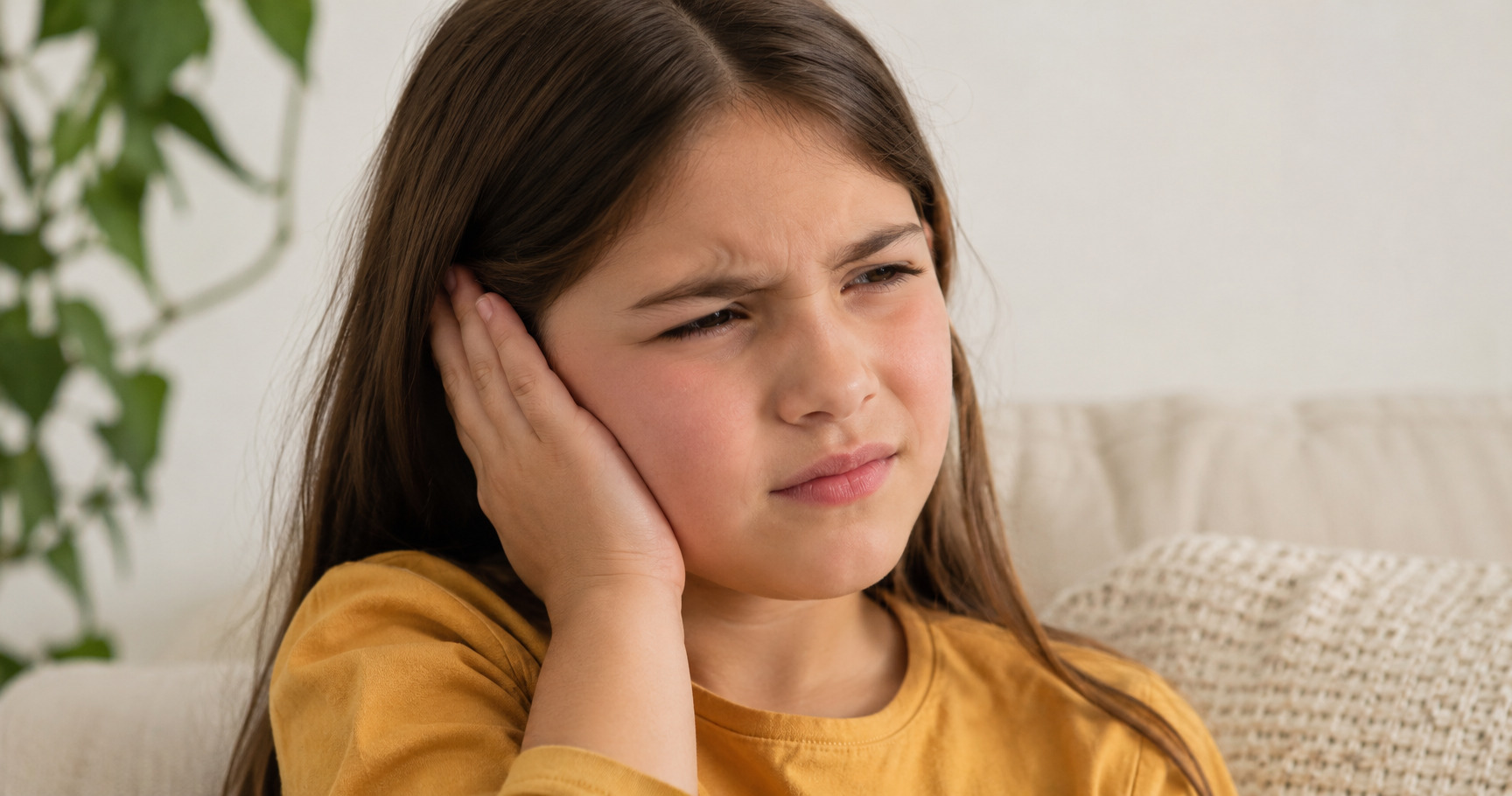
AI-generated illustration
Your child’s earache has only just settled when another episode begins. For your child, that means more discomfort. For the family, it can mean broken nights and wondering how to stop it happening again. A good starting point is to piece together the episodes, what was diagnosed and how your child recovered each time.
Each new earache can have a different cause
With middle-ear problems, it matters what is happening behind the eardrum. Has a new infection started, or has fluid remained from an earlier one? Persistent fluid can affect hearing even without another earache. The doctor looks at your child’s history and examines the ear to tell the difference.
Keep letters from previous appointments. Note the date of each episode, which ear was affected, the treatment and how your child felt between visits.
Hearing matters between infections too
Tell the doctor if your child often asks ‘What?’, turns the volume up or finds conversations harder to follow. Report any change in hearing, even after the pain has gone. The doctor will decide whether a hearing test is needed and how to follow up any fluid behind the eardrum.
Does every child with repeated infections need grommets?
Grommets are tiny ventilation tubes placed in the eardrum during a procedure to let air into the middle ear. For repeated acute infections, guidelines recommend discussing them when fluid is present in one or both ears at assessment. If neither ear contains fluid, the guideline advises against grommets for recurrent infections alone.
You and your child’s doctor can decide together, taking into account the episodes, hearing and the effect on daily life. Ask about the likely benefits and possible drawbacks, such as discharge through a grommet. One useful question is, ‘What would surgery offer my child compared with monitoring and treating each episode?’
A plan for the next episode
Ask how to manage pain, when your child should be examined, whether they need a hearing test and when to return for follow-up.
Do not start antibiotics left over from an earlier infection. Similar pain can have a different cause and may need different treatment.
Swelling around the ear, a change in hearing or your child seeming generally unwell warrants prompt assessment.
Appointment information: children’s ENT
General information. Speak to your child’s doctor for an assessment and advice specific to them.